

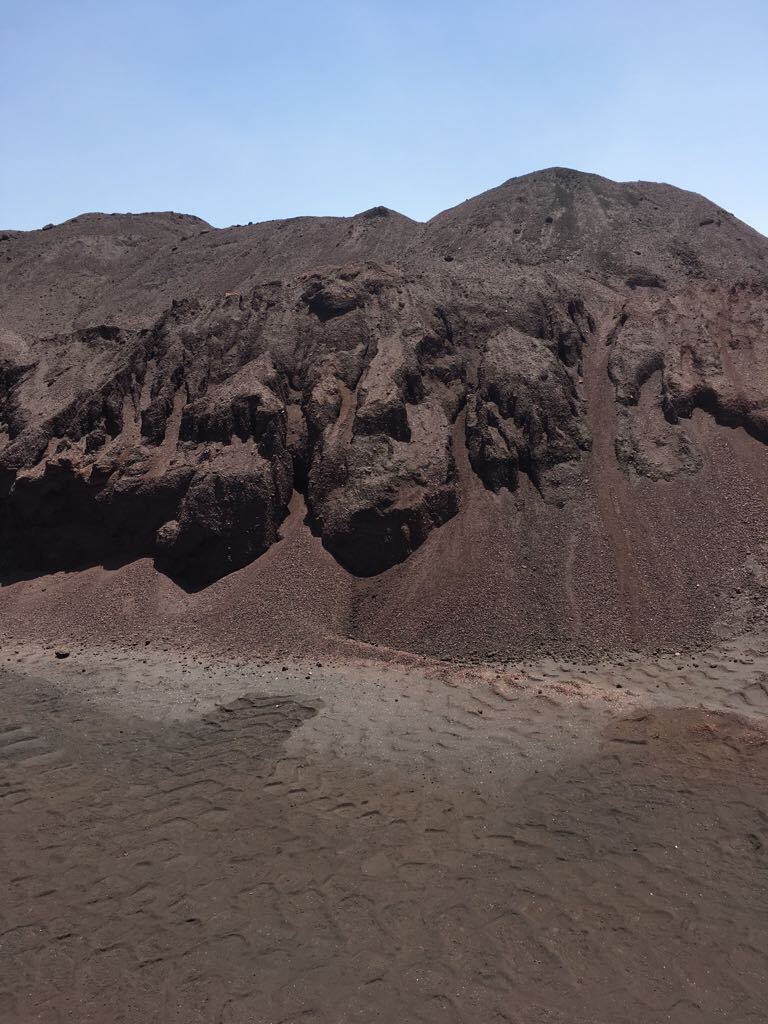
Iron-Bearing Sludge
We turn iron-bearing sludge from a burden on the plant into a saleable raw material: we take it from producers, follow its preparation and supply it to plants that recycle it.
What is iron-bearing sludge?
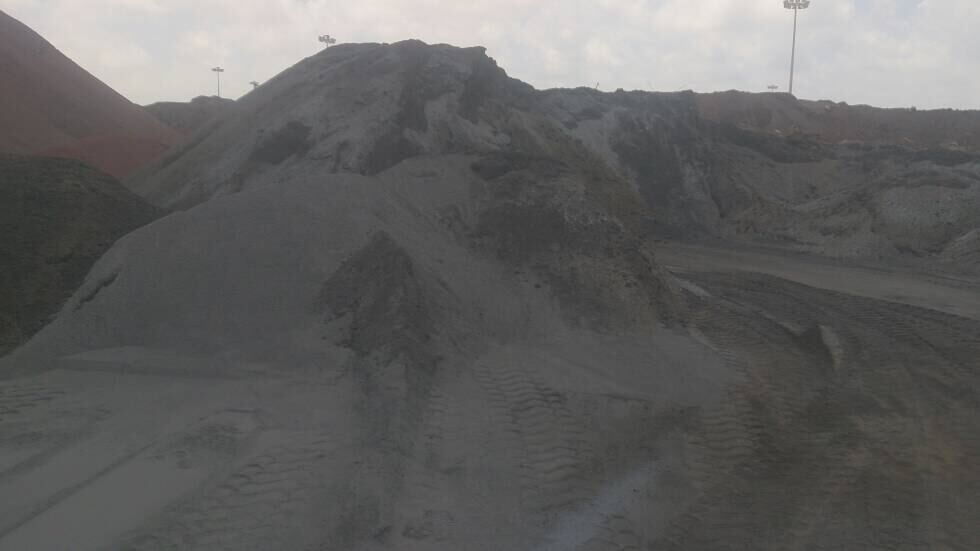
Iron-bearing sludge is a fine residue collected from grinding and machining in steel plants and from water-treatment units serving rolling and cooling lines. It contains fine iron and iron-oxide particles together with moisture.
Once its moisture is reduced, it becomes a good source of iron that can return to sinter plants or be pressed into briquettes instead of being stored or disposed of — saving the producer storage costs and putting the material back into the production cycle.
| Origin | Grinding and machining, and rolling/cooling water-treatment units |
|---|---|
| Composition | Fine iron and iron-oxide particles with moisture; may contain traces of oil |
| Form | Paste or fine powder, grey to dark depending on dryness |
| Preparation | Moisture reduction before shipping is recommended |
| Analysis | Iron and moisture content determined for each shipment |
Where is iron-bearing sludge used?
Sinter plants
Added to the sinter mix after drying as an iron source.
Briquettes
Pressed with binders into briquettes that go back to the furnaces.
Cement manufacturing
A source of iron oxide in the raw mix.
Waste reduction
Cuts storage and disposal costs for the producing plant.
Quantity, packing and contracts
We agree the details with each buyer based on quantity, specification and destination.
Iron-Bearing Sludge questions
What is iron-bearing sludge?
Iron-bearing sludge is a fine, iron-rich residue collected from grinding and water treatment in steel plants. It can be recycled in sinter plants or pressed into briquettes.
Why does moisture matter in sludge?
Moisture affects the actual weight of iron shipped and how easily the material is handled and used, so it is best reduced before shipping and is stated in each shipment analysis.
How is sludge used after purchase?
It is usually added to the sinter mix after drying, pressed into briquettes, or used as an iron source in cement manufacturing.
You may also be interested in
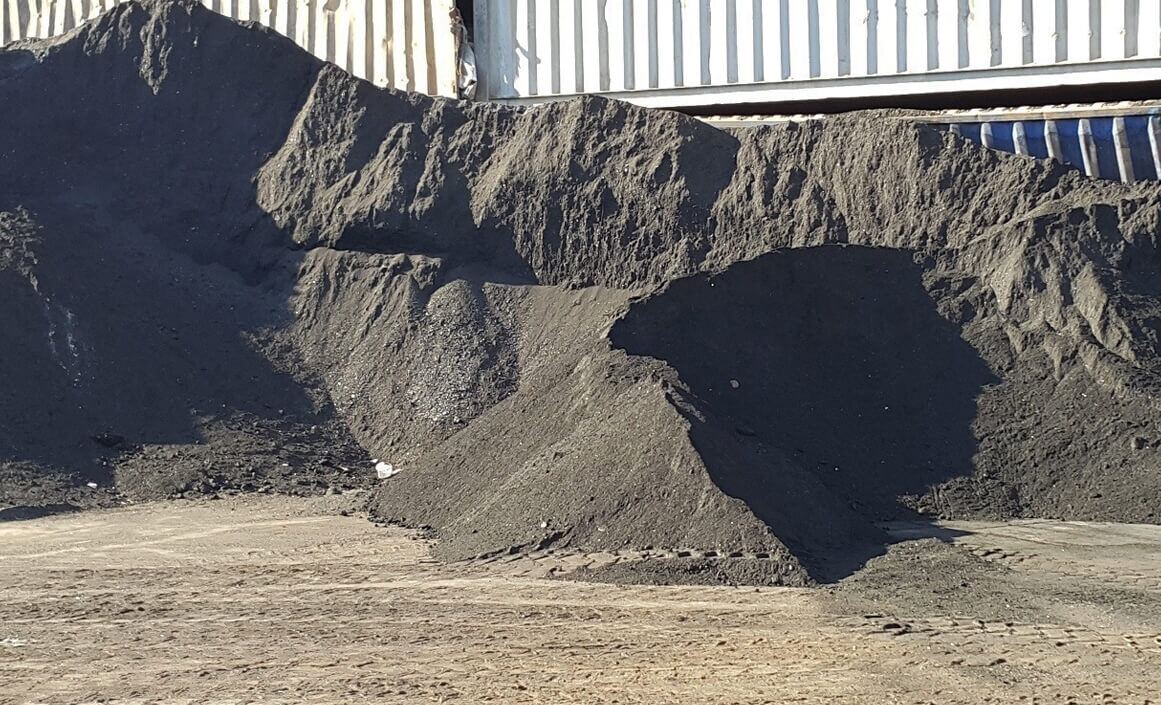
Mill Scale
Iron oxide flakes shed during hot rolling of steel; an iron-rich feed for sinter plants and cement producers.
Product details
Steel Slag
The by-product of steel melting furnaces; used as road aggregate and as a raw material for cement.
Product details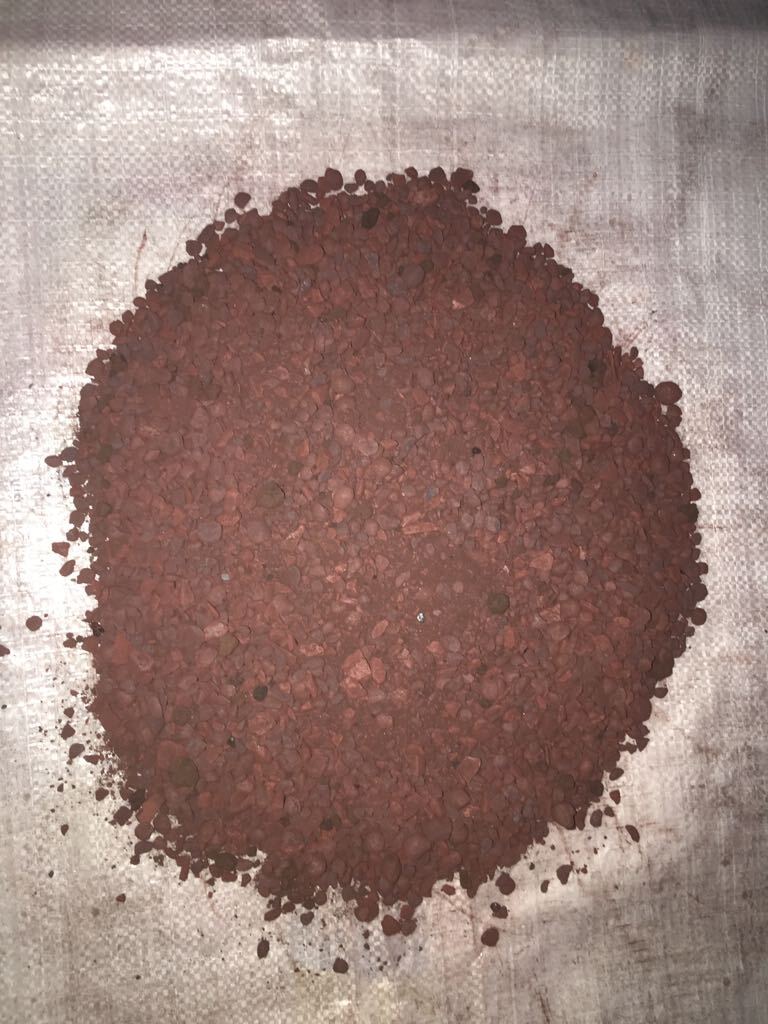
Iron Oxide Fines
Fine iron-oxide particles from scale screening and steel processing; suited to sintering, pelletizing and cement.
Product details