

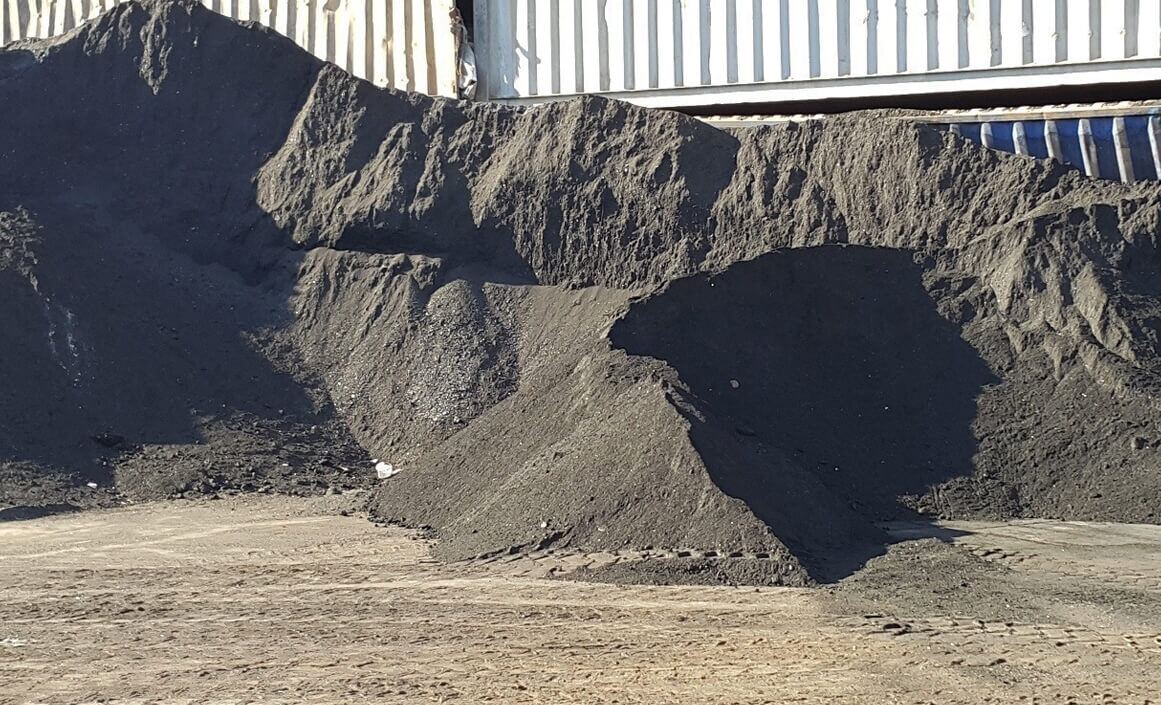
Mill Scale
We supply mill scale screened, clean and low in impurities from major sources in Egypt and Africa, from 200 tons up to several thousand tons per month, on spot deals or long-term contracts.
What is mill scale?
Mill scale is the thin layer of iron oxides that forms on the surface of steel during hot rolling and forming, then breaks away as dark flakes and granules. Because it consists almost entirely of iron oxides, it is one of the richest steelmaking by-products in iron content.
DILA collects mill scale directly from producers, screens and cleans it to reduce impurities, then sorts it by grade: higher grades go to sinter plants in steelmaking, lower grades to cement manufacturing.
| Origin | Oxide layer formed on the steel surface during hot rolling |
|---|---|
| Composition | Iron oxides: FeO · Fe₃O₄ · Fe₂O₃ |
| Iron content | Around 70% Fe as a typical value; varies by source and grade |
| Form | Dark flakes and granules of varying size |
| Preparation | Screened, clean and low in impurities |
| Sourcing | Egypt and Africa |
Where is mill scale used?
Sinter plants
Higher grades are added to the sinter mix as a concentrated iron source for steelmaking.
Cement manufacturing
Lower grades are used as an iron corrective in the clinker raw mix.
Smelting & ferroalloys
Used in some smelting and ferroalloy processes as a source of iron oxide.
Heavy concrete
Its high density suits certain heavy-concrete and counterweight applications.
Quantity, packing and contracts
We agree the details with each buyer based on quantity, specification and destination.
Mill Scale questions
What is mill scale?
Mill scale is the layer of iron oxides that forms on the surface of steel during hot rolling and then flakes off. It is one of the most iron-rich steelmaking by-products and is mainly used in sinter plants and cement manufacturing.
What is the iron content of mill scale?
Mill scale typically contains around 70% iron, depending on its source and grade. We send the actual shipment analysis with the quotation on request.
What is the minimum order from DILA?
We supply mill scale from 200 tons up to several thousand tons per month. Long-term contracts usually run between 4,000 and 7,000 tons per month.
How do mill scale grades differ?
Grades differ in iron content, impurity level and particle size. Higher grades suit sinter plants in steelmaking; lower grades suit cement manufacturing.
Do you offer spot deals or only contracts?
Both: spot deals for defined quantities, and long-term contracts for regular monthly supply.
You may also be interested in
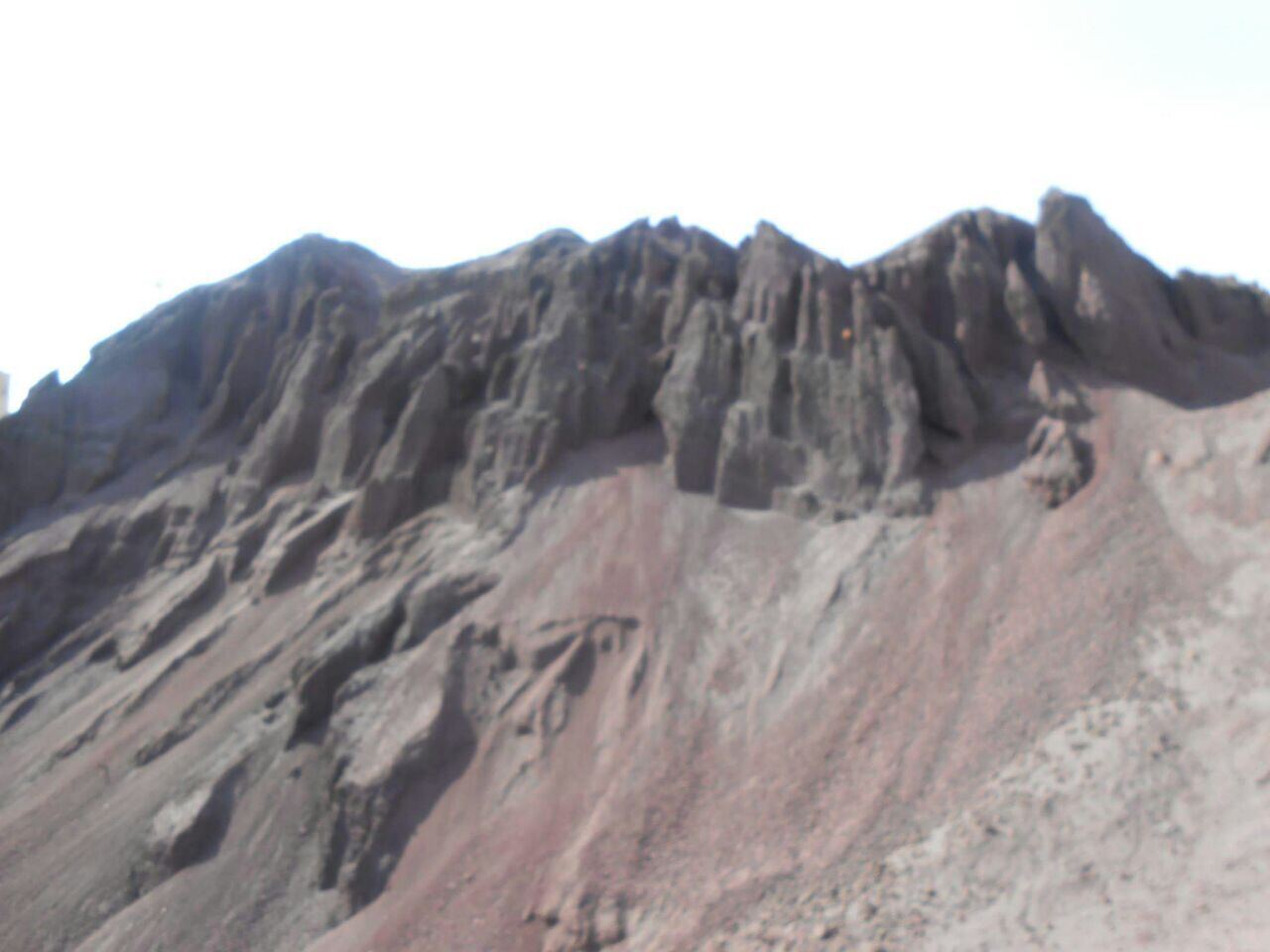
Steel Slag
The by-product of steel melting furnaces; used as road aggregate and as a raw material for cement.
Product details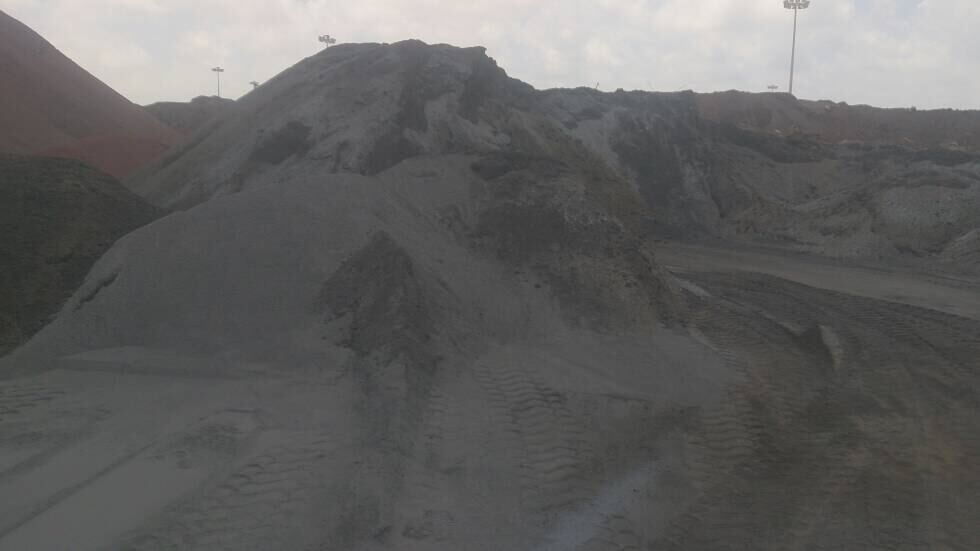
Iron-Bearing Sludge
Fine, iron-rich residues from grinding and water treatment in steel plants; returned to production after drying.
Product details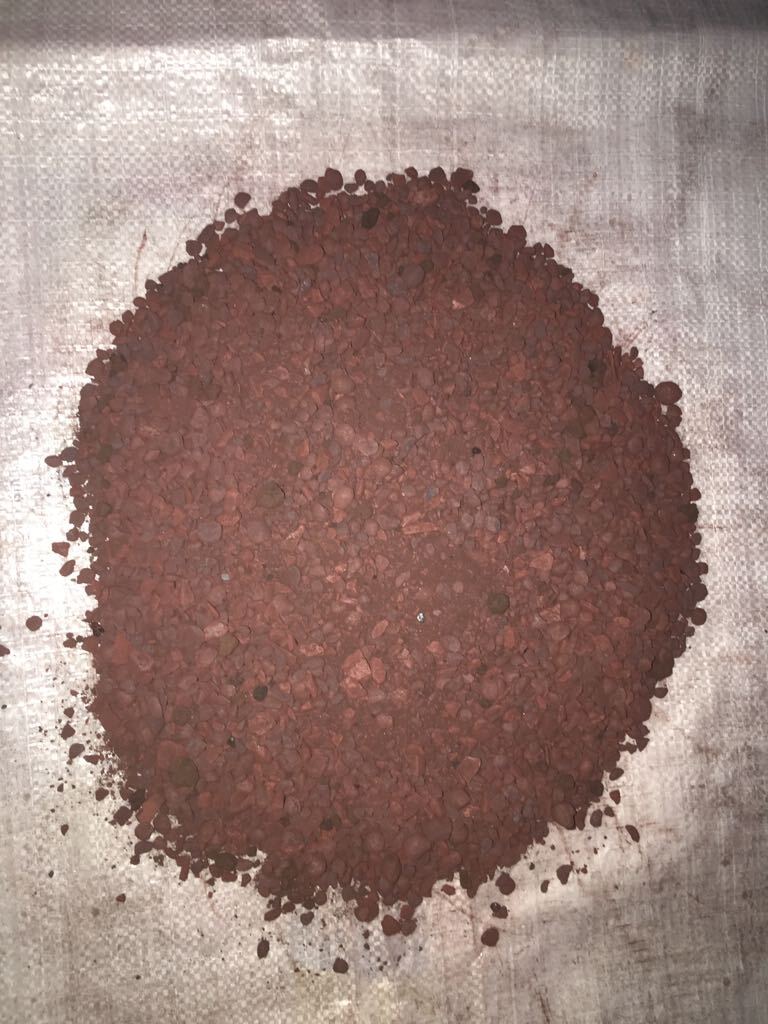
Iron Oxide Fines
Fine iron-oxide particles from scale screening and steel processing; suited to sintering, pelletizing and cement.
Product details