

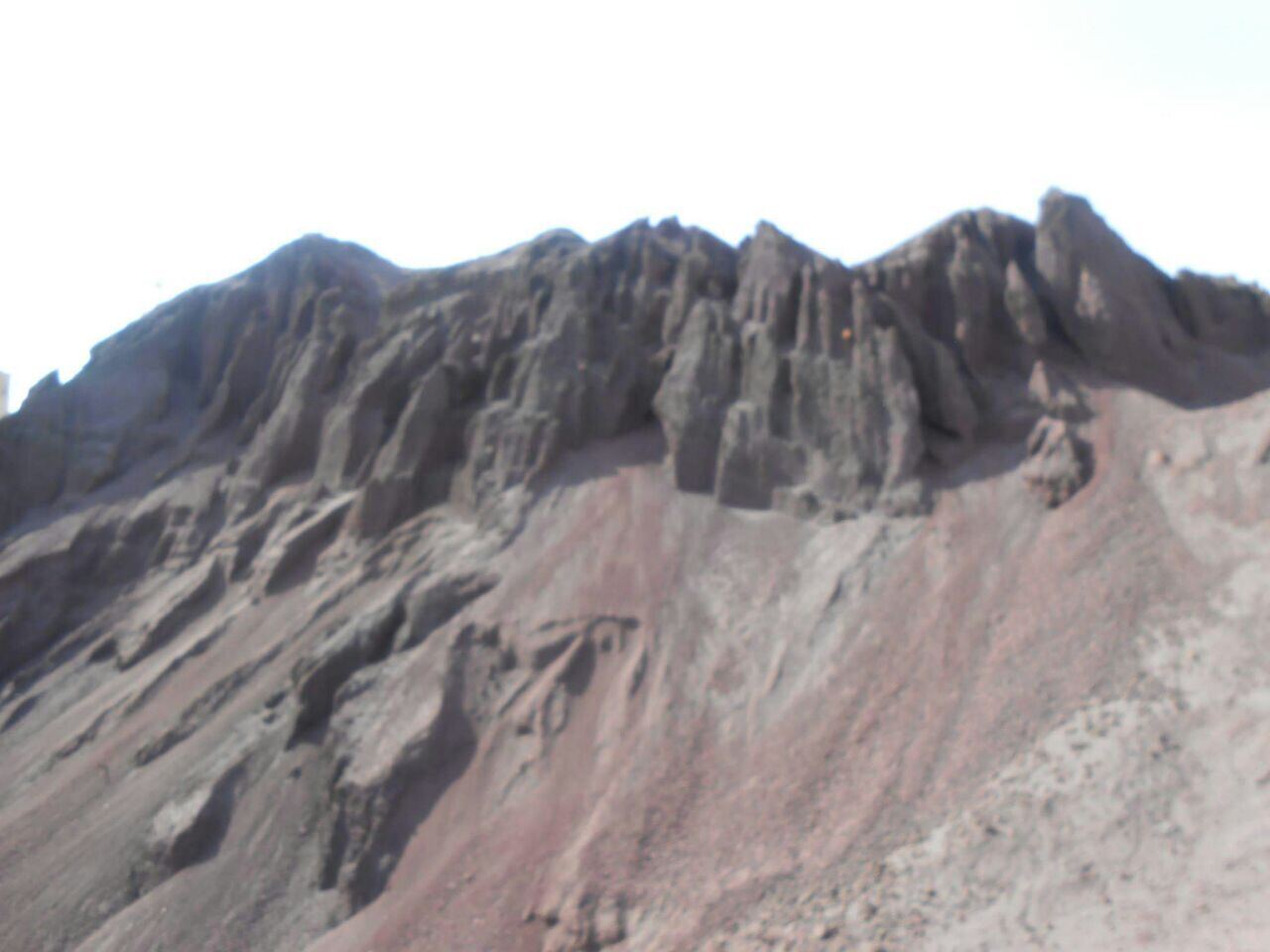
Steel Slag
We supply steel slag to plants, building-material and road contractors, with specification and quantity agreed up front and analysis sent with the quotation.
What is steel slag?
Steel slag is the by-product formed in steel melting furnaces when impurities combine with fluxes such as lime and dolomite, float on top of the molten metal, and are then separated and cooled into lumps and granules.
Once crushed and graded, slag becomes a useful material for roads, construction and cement, and part of its metal content can be recovered — reducing the need for natural raw materials and limiting waste accumulation.
| Origin | Steel melting furnaces, where impurities combine with fluxes |
|---|---|
| Composition | Oxides of calcium, silicon, iron and magnesium in proportions that vary by furnace type |
| Form | Grey to dark lumps and granules; crushed and graded to suit the application |
| Main uses | Road aggregate, cement, iron recovery |
| Analysis | Sent with the quotation on request |
Where is steel slag used?
Roads & asphalt
Durable aggregate for base layers and asphalt after crushing and grading.
Cement manufacturing
An alternative raw material in cement and building-material mixes.
Metal recovery
Separating part of the iron content and returning it to production.
Engineered fill
Used in some fill and levelling works as an alternative to natural aggregate.
Quantity, packing and contracts
We agree the details with each buyer based on quantity, specification and destination.
Steel Slag questions
What is steel slag?
Steel slag is the by-product of steel melting furnaces, formed when impurities combine with fluxes. After cooling and crushing, it is used in roads, construction materials and cement manufacturing.
What is steel slag used for?
Its main uses are aggregate for road layers and asphalt, a raw material in cement manufacturing, recovery of its iron content, and some engineered-fill works.
How is steel slag packed for shipping?
It is shipped in bulk or packed in jumbo bags, depending on quantity, destination and buyer requirements.
Can I see the chemical composition before buying?
Yes. We send the shipment analysis with the quotation on request, since composition varies with furnace type and slag source.
You may also be interested in
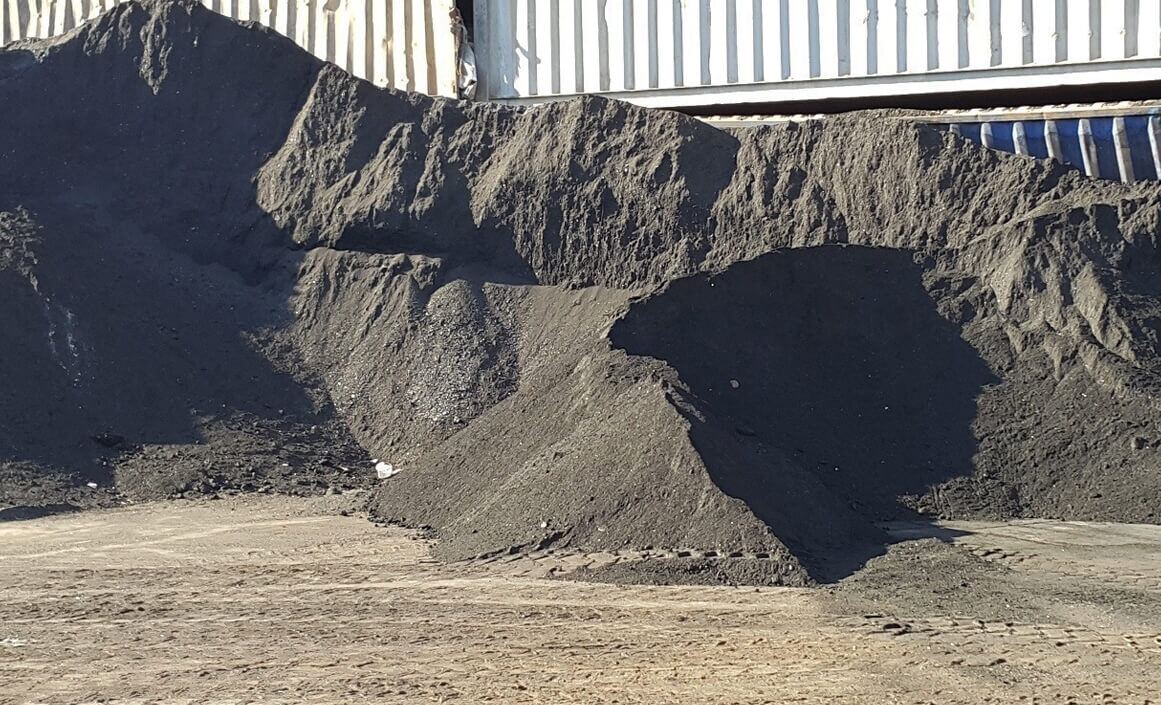
Mill Scale
Iron oxide flakes shed during hot rolling of steel; an iron-rich feed for sinter plants and cement producers.
Product details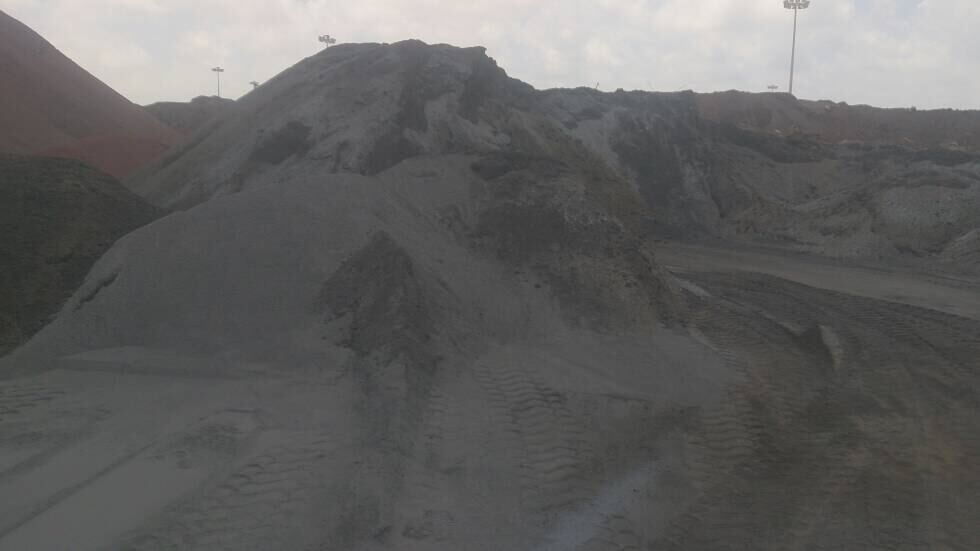
Iron-Bearing Sludge
Fine, iron-rich residues from grinding and water treatment in steel plants; returned to production after drying.
Product details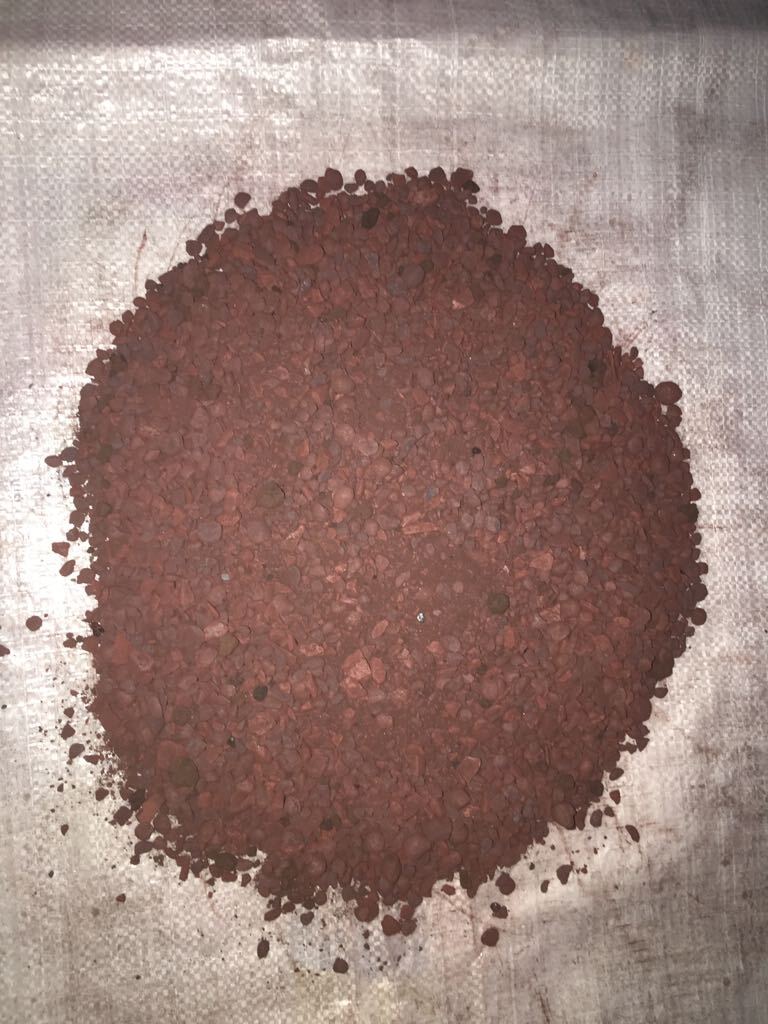
Iron Oxide Fines
Fine iron-oxide particles from scale screening and steel processing; suited to sintering, pelletizing and cement.
Product details