

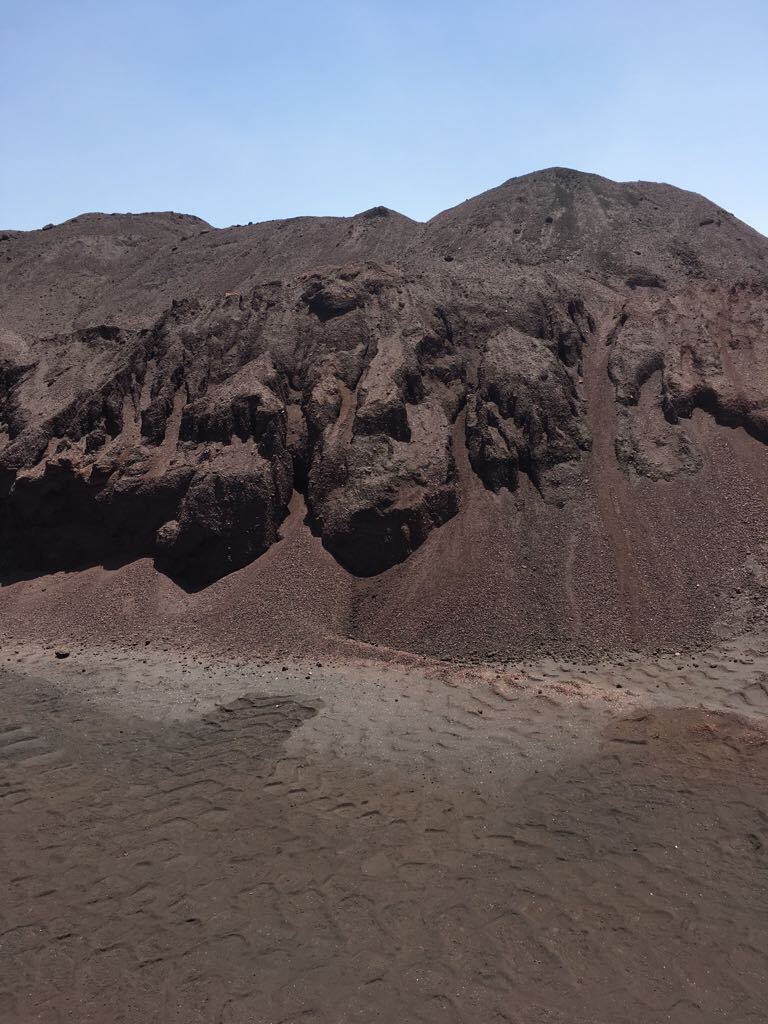
DRI Fines
We supply DRI fines following dry-storage and safe-handling requirements, and send the metallic iron analysis with the quotation.
What is DRI Fines?
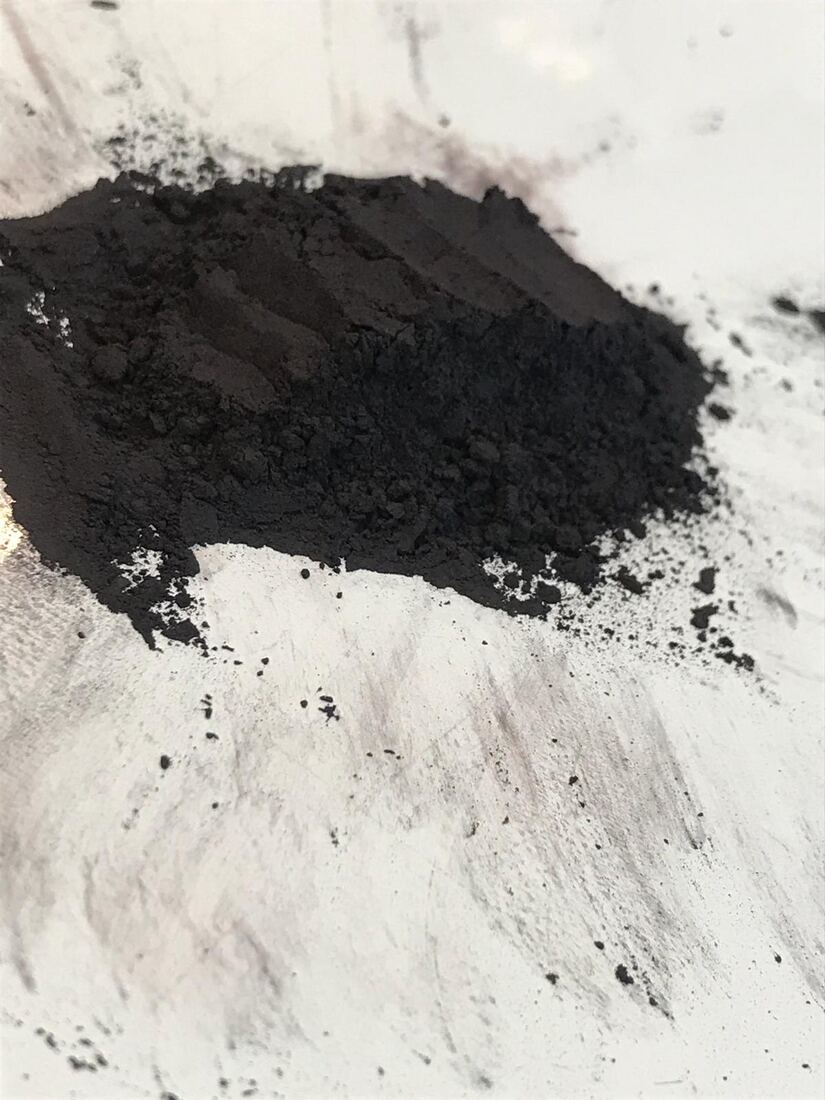
DRI fines are the fine particles generated while transporting, storing and screening direct reduced iron, known as sponge iron. Because they come from reduced iron, their metallic iron content is high compared with oxide materials.
The fines are not usually charged into furnaces as they are; they are pressed into briquettes or added to the sinter mix. They require dry storage and controlled handling, as they are an active metallic material that reacts with moisture and air.
| Origin | Transport, storage and screening of direct reduced iron (sponge iron) |
|---|---|
| Composition | Metallic iron and iron oxides with some carbon |
| Form | Dark powder and granules |
| Handling | Kept dry and shipped under the handling requirements for active metallic materials |
| Analysis | Total Fe, metallic Fe and metallization on request |
Where is DRI Fines used?
Iron briquettes
Pressed into briquettes (HBI) that are easy to handle and ship.
Electric arc furnaces
After briquetting, used as a high-purity metallic charge.
Sinter plants
Added to the sinter mix as an iron source.
Loss reduction
Recovering the value of fines instead of letting them pile up at production sites.
Quantity, packing and contracts
We agree the details with each buyer based on quantity, specification and destination.
DRI Fines questions
What are DRI fines?
DRI fines are the fine particles generated by handling sponge iron. They have a high metallic iron content and are used after briquetting or in the sinter mix.
Why do DRI fines need dry storage?
They are an active metallic material that reacts with moisture and air, so they are stored, packed and shipped dry under the applicable handling requirements.
What determines the quality of DRI fines?
The key parameters are total iron, metallic iron, degree of metallization and moisture. We provide them in the shipment analysis on request.
You may also be interested in
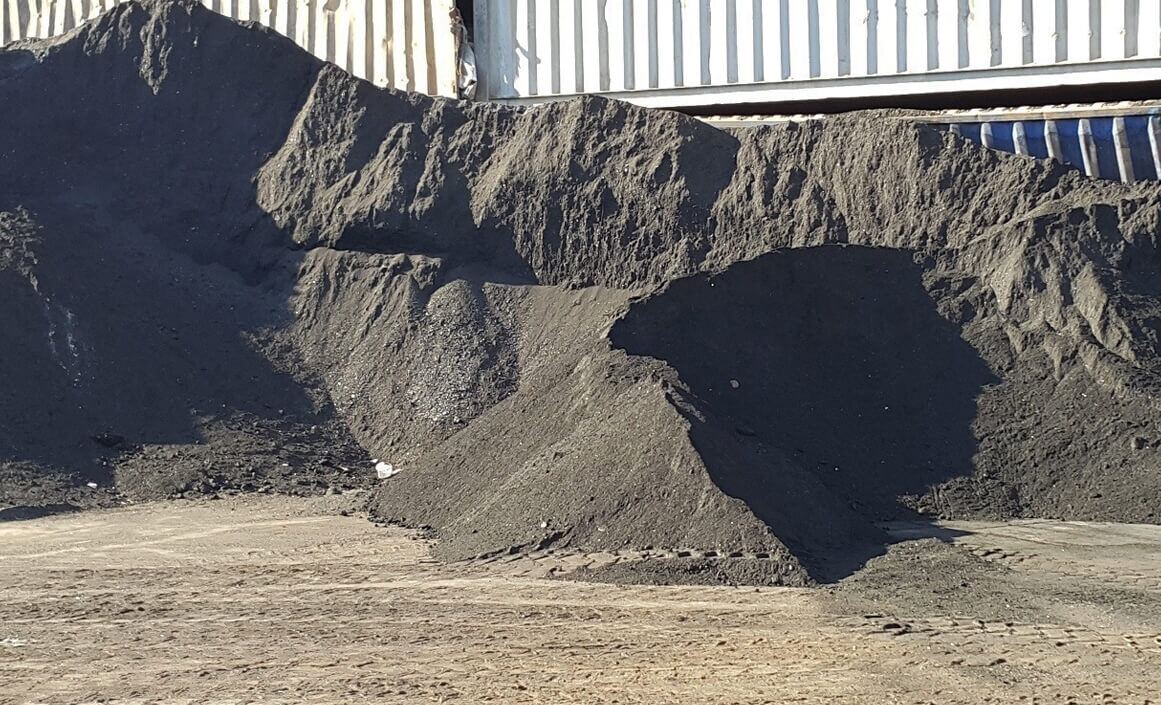
Mill Scale
Iron oxide flakes shed during hot rolling of steel; an iron-rich feed for sinter plants and cement producers.
Product details
Steel Slag
The by-product of steel melting furnaces; used as road aggregate and as a raw material for cement.
Product details
Iron-Bearing Sludge
Fine, iron-rich residues from grinding and water treatment in steel plants; returned to production after drying.
Product details