

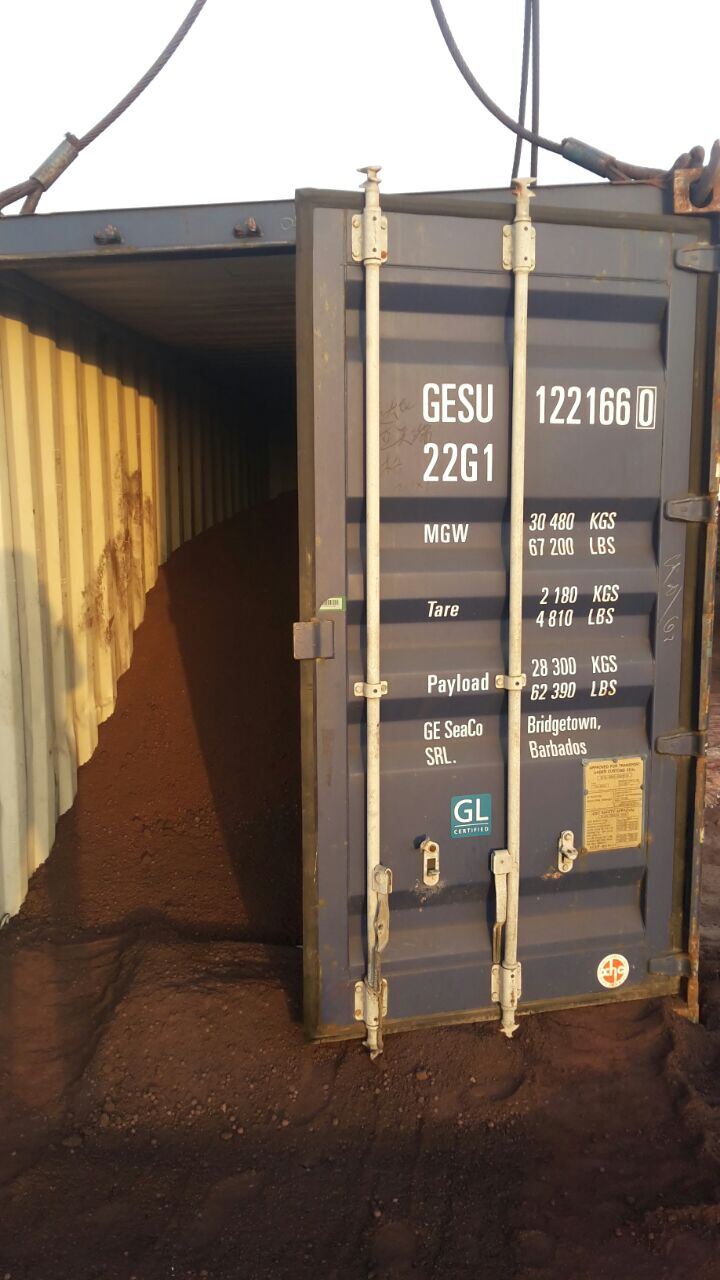
EAF Dust
We supply EAF dust to recycling and metal-recovery operations, with packing and transport that follow the applicable environmental requirements.
What is EAF Dust?
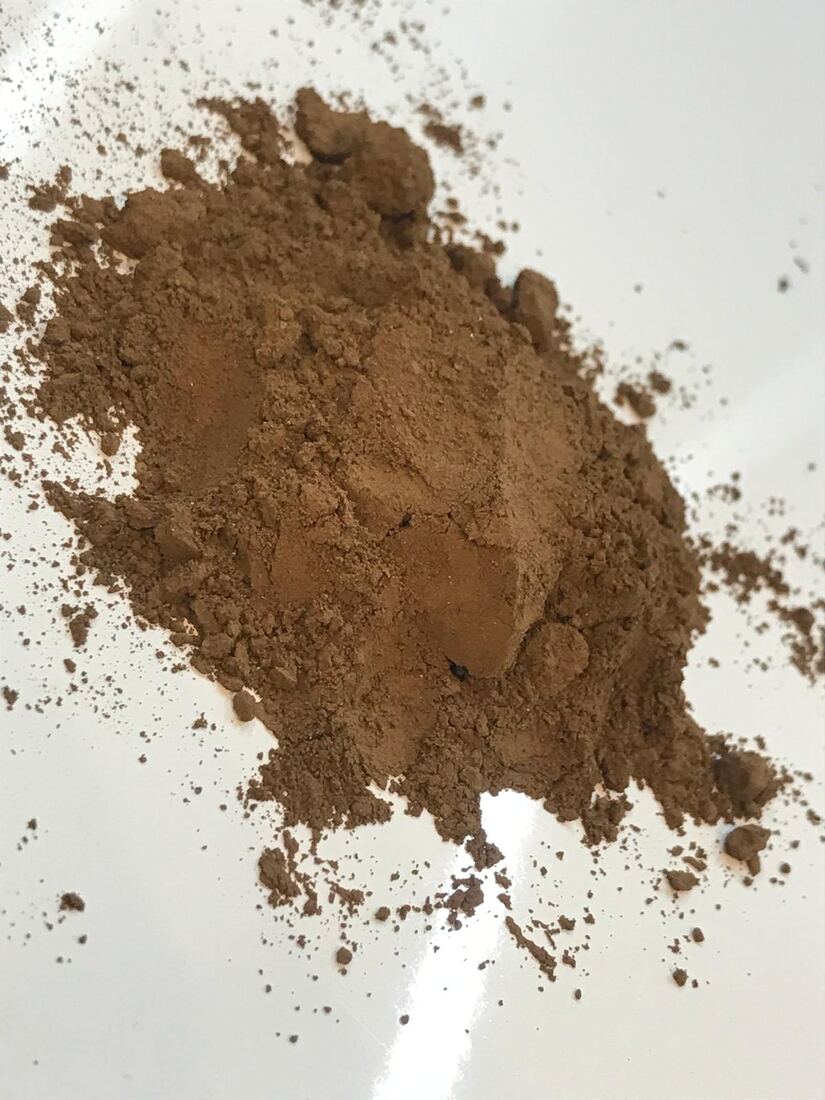
EAF dust is the fine powder captured by the fume-extraction and gas-cleaning systems while scrap is melted in electric arc furnaces. It consists mainly of iron and zinc oxides in proportions that depend on the scrap being melted.
Its zinc content makes it a raw material for zinc-recovery units, and part of its iron can also be recovered. It thus turns from a waste requiring special storage into a material that returns to the industrial cycle.
| Origin | Fume-extraction and gas-cleaning systems of electric arc furnaces |
|---|---|
| Composition | Iron and zinc oxides in varying proportions, with other elements depending on scrap type |
| Form | Very fine brown-to-grey powder |
| Handling | Packed and transported under the applicable environmental and transport requirements |
| Analysis | Zinc and iron content determine shipment value |
Where is EAF Dust used?
Zinc recovery
Feed material for units that extract zinc from metallic dust.
Recycling
An alternative to storing or landfilling dust at plant sites.
Iron recovery
Part of its iron content can be recovered after treatment.
Controlled handling
Packing and transport that follow applicable environmental requirements.
Quantity, packing and contracts
We agree the details with each buyer based on quantity, specification and destination.
EAF Dust questions
What is EAF dust?
EAF dust is the fine powder captured by gas-cleaning systems while scrap is melted in electric arc furnaces. It consists of iron and zinc oxides and is mainly used for zinc recovery.
Why does zinc content matter in EAF dust?
Zinc is the element that recovery units target, so the higher its content, the higher the value of the shipment. We determine it by analysing each shipment.
How is EAF dust packed?
It is packed in sealed jumbo bags and transported under the applicable environmental and transport requirements, as it is a very fine powder.
You may also be interested in
Mill Scale
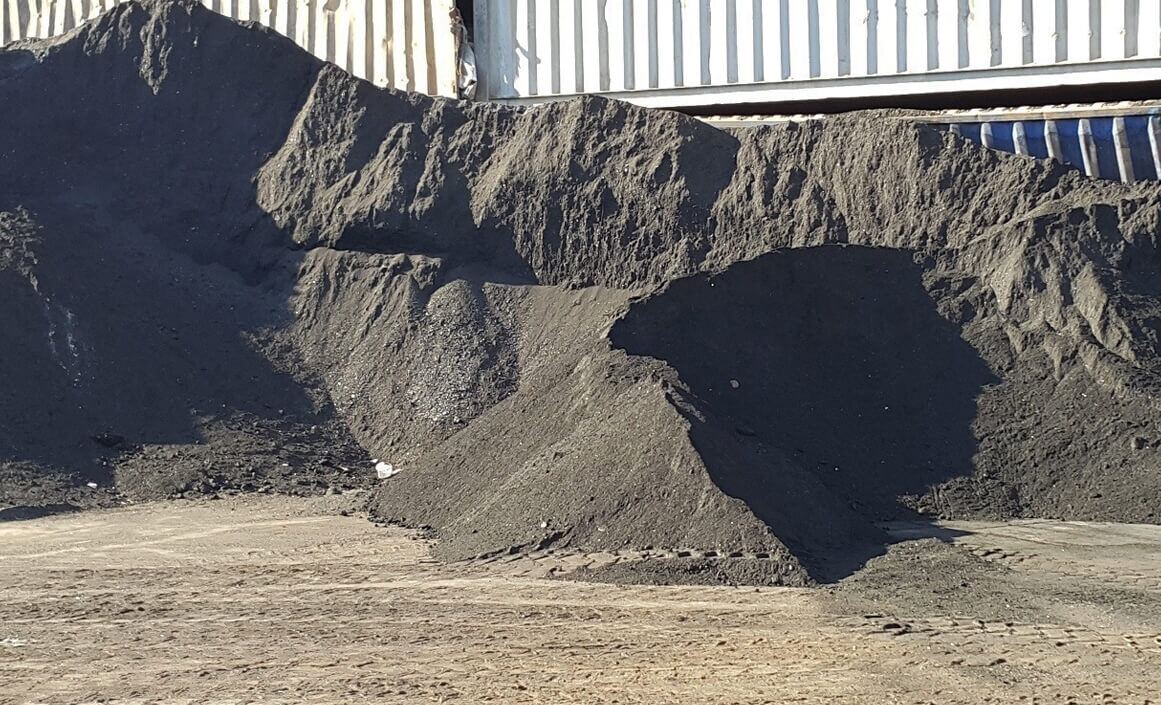
Iron oxide flakes shed during hot rolling of steel; an iron-rich feed for sinter plants and cement producers.
Product details
Steel Slag
The by-product of steel melting furnaces; used as road aggregate and as a raw material for cement.
Product details
Iron-Bearing Sludge
Fine, iron-rich residues from grinding and water treatment in steel plants; returned to production after drying.
Product details